
Why Diabetic Eye Exams Matter Even When Your Vision Is Clear
Why Diabetic Eye Exams Matter Even When Your Vision Is Clear
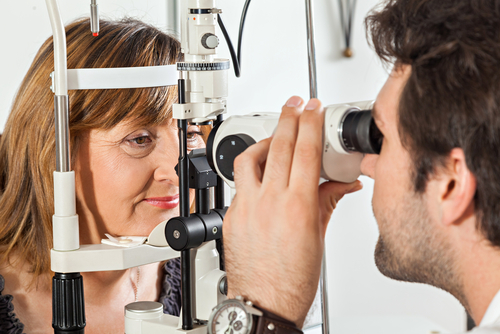
You can read the smallest letters on an eye chart and still have early signs of diabetic eye disease. The chart measures how sharply you see today. During a diabetic eye exam at our Arlington office, we can look directly at the tiny blood vessels in the back of your eyes and spot changes before you notice them.
How Diabetes Can Affect the Retina
The retina is the light-sensitive tissue at the back of your eye. Over time, high blood sugar can damage the small vessels that supply it. We call this damage diabetic retinopathy. The vessels can leak fluid or bleed, but if the affected area is away from the center of the retina, words on a page and faces across the room may still look sharp.
The macula, at the center of the retina, gives you the detail you need to read. If fluid collects there, letters may start to look blurry or wavy. A dilated exam gives us a chance to detect swelling while you can still read comfortably.
What We Look for During Your Exam
We use eye drops to widen your pupils so we can examine more of the retina. We look for tiny bulges in blood vessels, spots of bleeding, and swelling. Your first exam gives us a baseline. At later visits, we can compare what we see with earlier findings and explain whether you need closer monitoring or a referral to a retina specialist.
When to Schedule a Diabetic Eye Exam
For adults, the timing depends on the type of diabetes you have and what we find during the exam.
If you have type 2 diabetes, schedule your first dilated eye exam when you receive your diagnosis. Blood sugar may have been elevated for some time before you knew you had diabetes.
If you have type 1 diabetes, plan for your first screening about five years after the onset of diabetes.
For follow-up care, we often recommend yearly exams. If previous exams show no retinopathy and your blood sugar is within your target range, we may suggest a longer interval. Retinal changes may mean we need to see you sooner.
If you’re due for a diabetic eye exam or can’t remember when you last had your eyes dilated, call Texas Vision Care in Arlington, TX, at (817) 557-3952 to schedule your visit.
Helpful Articles

All Eye Care Services
Find personalized eye care excellence with our comprehensive services. From eye exams to advanced diagnostics, trust us for all your vision needs.

Keep In Touch
For non-urgent questions or to learn more about our services, contact us today!
© 2026 Texas Vision Care. All rights Reserved - Accessibility Statement - Privacy Policy - Sitemap
Managed and Designed by 